

Careers & Work Experience
Year 10 Work Experience
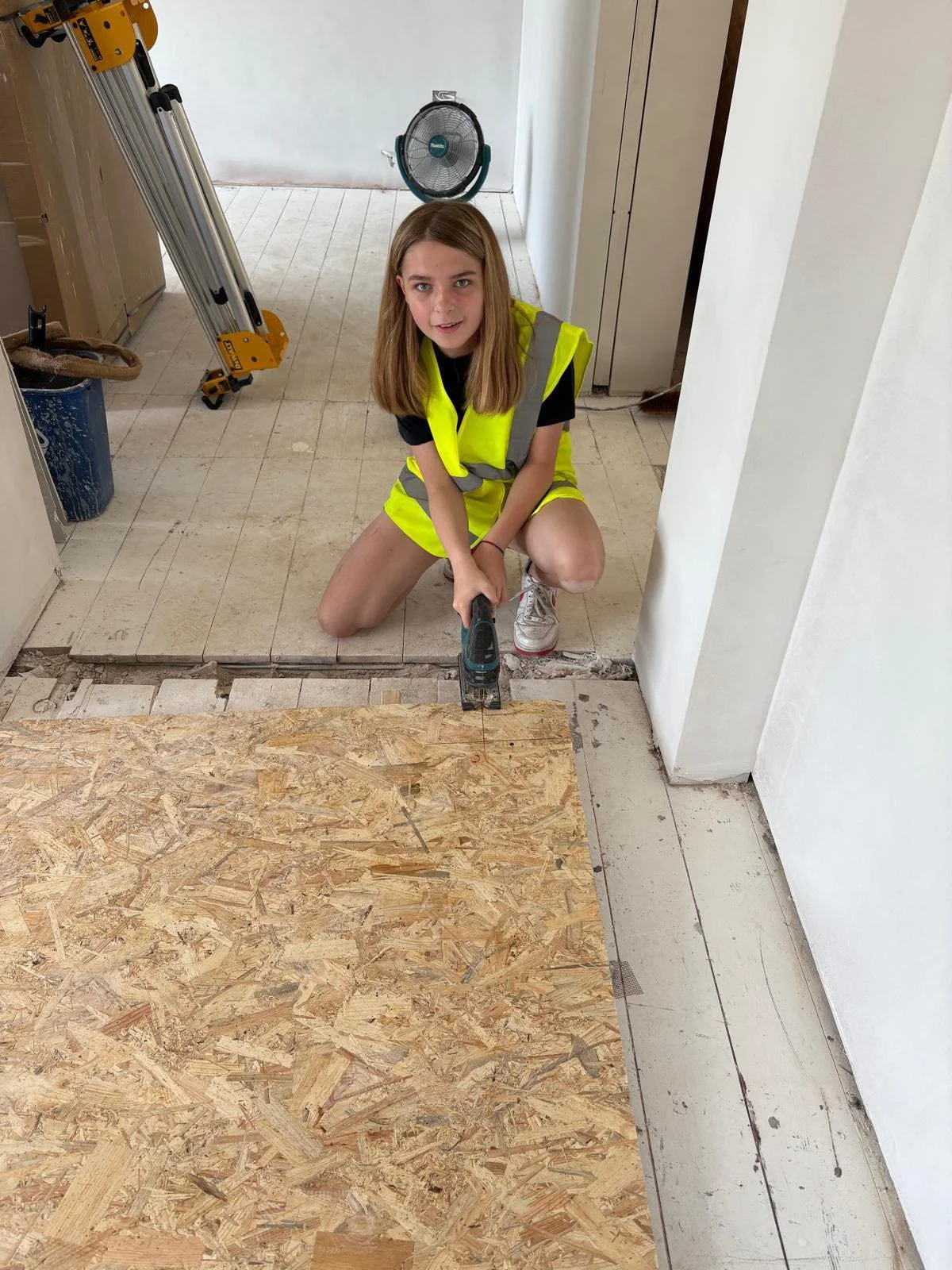
Work experience in Year 10 isn’t just a box to tick — it’s a chance for students to step into the real world and discover who they might want to become. At this age, students are beginning to think about future pathways, and spending time in a workplace gives them a taste of what different careers actually feel like.
Key Reasons It Matters
Real-world exposure Students get to see how workplaces operate, how adults communicate, and what professional expectations look like.
Career exploration It helps students figure out what they enjoy — and just as importantly, what they don’t enjoy. This can guide future subject choices and long-term goals.
Confidence building Being trusted with responsibilities boosts self-belief and independence.
Understanding expectations Students learn about punctuality, teamwork, communication, and workplace behaviour — things that school can’t fully replicate.
CV and future opportunities Work experience looks great on a CV and can help with college applications, apprenticeships, and part-time jobs.
Skills Students Learn During Work Experience
Work experience develops a mix of practical, social, and personal skills that are valuable in any career.Transferable Skills (useful in any job)
Communication – speaking clearly, listening, writing emails, asking questions.
Teamwork – working with colleagues, supporting others, sharing tasks.
Time management – arriving on time, meeting deadlines, organising tasks.
Problem-solving – dealing with challenges, finding solutions, thinking independently.
Responsibility – taking ownership of tasks, following instructions, being reliable.
Professional behaviour – understanding workplace etiquette, dress codes, and expectations.
Job-specific Skills (depending on placement)
Using tools or equipment
Customer service
Basic admin tasks
Digital skills
Creative or technical skills
Industry-specific knowledge (e.g., healthcare, engineering, retail, IT)
Personal Development Skills
Confidence
Independence
Resilience
Adaptability
Self-awareness (understanding strengths and weaknesses)
So why do we encourage students to complete work experience?
Court Fields promote work experience because it helps students:
Make informed decisions A-levels, IBDP, Technical and vocational study programmes and Apprenticeships
Prepare for adulthood and employment
Build essential life skills
Connect learning in school to real-world application







The Gatsby Benchmarks
Court Fields’ careers plan supports the achievement of the eight Gatsby benchmarks (click on + symbol for more details)
Our School’s Compass evaluation results against the Gatsby Benchmarks can be found here: Compass+ | Compass evaluation | Data Visualisation
-
Every school and college should have an embedded programme of career education and guidance that is known and understood by Students, parents, teachers, governors and employers.
-
Every Student and their parents should have access to good quality information about future study options and labour market opportunities. They will need the support of an informed adviser to make the best use of available information
-
Students have different career guidance needs at different stages. Opportunities for advice and support need to be tailored to the needs of each Student. A school’s careers programme should embed equality and diversity considerations throughout.
-
All teachers should link curriculum learning with careers. STEM subject teachers should highlight the relevance of STEM subjects for a wide range of careers paths.
-
Every Student should have multiple opportunities to learn from employers about work, employment and the skills that are valued in the workplace. This can be through a range of enrichment activities including visiting speakers, mentoring and enterprise schemes.
-
Every Student should have first-hand experience of the workplace through work visits, work shadowing, and/or work experience to help their exploration of career opportunities, and expand their networks.
-
All Students should understand the full range of learning opportunities that are available to them. This includes both academic and vocational routes and learning in schools, colleges, universities and in the workplace.
-
Every Student should have opportunities for guidance interviews with a careers adviser, who could be internal (a member of school staff) or external, provided they are trained to an appropriate level. These should be available whenever significant study or career choices are being made. They should be expected for all Students but should be timed to meet their individual needs.
External sources of information about further education, apprenticeships and local employers:
All young people in England must continue in education or training until 18 years of age. Young people have the following choices at the end of year 11:
Full time study at a college, sixth form or training provider
Full time work or volunteering combined with part time education of training
An apprenticeship
A traineeship
Students and parents of students in year 7 – 11 can request a careers guidance interview via their Tutor or Year Leader.
Careers South West also provide careers advice, information and guidance: cswgroup.co.uk for 13-19 year olds (and up to age 25 for young people with special needs).
Additional resources for students and parents:
Further Information
CareersBox is a free online library of careers related videos, news and information.
icould provides career inspiration and information for young people through free access to over 1000 personal video stories, detailed job information, plus practical tips, insight and advice.
The National Apprenticeship Service website offers guidance on how to apply for an apprenticeship as well as listing current local apprenticeship opportunities. More information on apprenticeships can be found at amazingapprenticeships.com.
The National Careers Service provides information, advice and guidance to help students make decisions on learning, training and work opportunities. The service offers confidential and impartial advice and is supported by qualified careers advisers. You can chat with an adviser using webchat (8am to 10pm, 7days a week). Or you can call 0800 100 900 to speak to an adviser (8am to 10pm, 7 days a week). Calls are free from landlines and most mobile numbers.
Parental Guidance offers advice and information on all aspects of the process of career choice for young people aged 13 to 25.
Start is an online careers learning tool which can be used to explore future career and education options. It can also be used by parents. The site includes a range of short three minute videos to help students explore a range of careers.
UCAS Progress is an online search and application tool for post 16 courses. This is the preferred method of application for some sixth form providers.
Unifrog is an online careers and destinations platform used by schools and colleges to help students aged 4 to 18 explore education and career options
Our Careers Lead is Charity Hunt and she can be contacted via email chunt@courtfields.bep.ac or by calling the school office on 01823 664201
Our Careers Policy can be viewed here: School Policies — Court Fields School